logo
전화 번호:
Tellhow Technology (Chongqing) Co., Ltd.
저희 모터로 에너지를 절약하고 성공을 이루세요!
블로그

Key Factors in Synchronous Motor Torque Selection and Optimization

제가 지금 온라인 채팅 해요
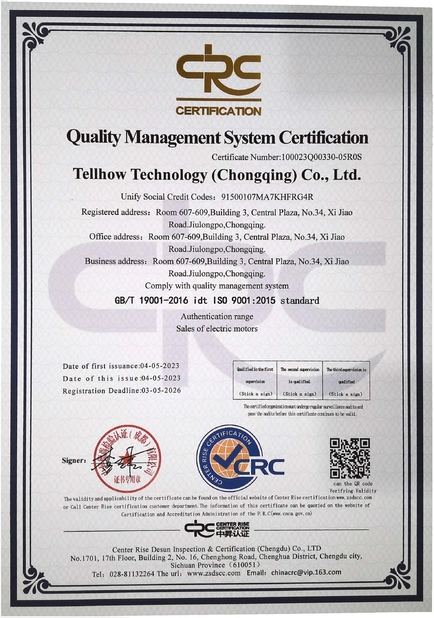
인증
중국 Tellhow Technology (Chongqing) Co., Ltd. 인증
고객 검토
모터는 저소음으로 완전히 운영하고 비디오 원격 설치 안내 서비스가 우수합니다. 우리의 지도자들은 매우 충족합니다.

—— 미샤 글래더쉬첸코

공장은 기술에 대해 매우 혹독하고 심각하고, 우리의 사용 환경에 따라 모터에 대한 세부를 조정하기 위한 매우 과학적 제안을 할 수 있습니다. 이것은 매우 믿을 만한 회사입니다.

—— 최근 미사용 리즈키 아말리아

회사 블로그
Key Factors in Synchronous Motor Torque Selection and Optimization
에 대한 최신 회사 뉴스 Key Factors in Synchronous Motor Torque Selection and Optimization

In the fields of industrial automation and electrical engineering, synchronous motors have become indispensable components in critical applications due to their exceptional speed precision, efficient energy conversion, and reliable operational characteristics. From precision CNC machine tools to large-scale power generation systems, these motors drive modern industrial progress while demanding thorough understanding of their torque characteristics for optimal performance.

Chapter 1: Torque Fundamentals and Synchronous Motor Overview

1.1 Definition, Units and Physical Significance of Torque

Torque, also called rotational force, represents the moment that causes an object to rotate about an axis. This fundamental physical quantity measures rotational capability, directly reflecting the rotational effect produced by force. In engineering applications, torque describes the performance of rotating machinery including motors, engines, and gearboxes.

1.2 Torque Calculation Formula and Influencing Factors

The torque calculation formula is essential for understanding rotational force magnitude. The basic equation is:

T = F × r × sinθ

Where T represents torque (Nm), F is applied force (N), r is the moment arm (m), and θ is the angle between force and arm. Key factors affecting torque include:

  • Magnitude of applied force
  • Length of moment arm
  • Angle between force and arm

1.3 Basic Principles and Structure of Synchronous Motors

Synchronous motors are AC machines where rotor speed precisely synchronizes with the stator's rotating magnetic field. This synchronization occurs without the slip phenomenon found in induction motors, making them ideal for applications requiring exact speed control.

1.4 Classification and Characteristics of Synchronous Motors

Synchronous motors are categorized by excitation method:

  • Permanent Magnet Synchronous Motors (PMSM): Feature permanent magnet rotors offering compact size, light weight, high efficiency and power factor.
  • Electrically Excited Synchronous Motors (EESM): Utilize field windings for flexible output control, suitable for large generators.

Chapter 2: Analysis of Synchronous Motor Torque Characteristics

2.1 Derivation and Interpretation of Torque Equation

The synchronous motor torque equation reveals how electrical energy converts to mechanical power:

T = (3 × Vs × Ef) / (ωs × Xs) × sin(δ)

This equation shows torque depends on stator voltage (Vs), rotor field-induced EMF (Ef), synchronous speed (ωs), synchronous reactance (Xs), and load angle (δ).

2.2 Relationship Between Load Angle and Torque

Load angle (δ), the phase difference between stator voltage and rotor EMF, critically affects torque output. The torque-load angle relationship follows a sine curve, peaking at 90° before declining.

2.3 Pull-out Torque: Definition and Calculation

Pull-out torque represents the maximum torque a synchronous motor can produce while maintaining synchronization. Exceeding this value causes the motor to lose synchronism. The calculation at δ=90° is:

T_max = (3 × Vs × Ef) / (ωs × Xs)

2.4 Starting Torque Analysis and Starting Methods

Synchronous motors inherently lack self-starting capability, requiring special starting techniques:

  • Auxiliary motor starting
  • Damper winding implementation
  • Variable frequency drive (VFD) activation

Chapter 3: Application Considerations for Torque Characteristics

3.1 Torque Requirements for Different Load Types

Various industrial loads demand specific torque characteristics:

  • Constant torque loads (conveyors, cranes)
  • Constant power loads (machine tools, rolling mills)
  • Quadratic torque loads (fans, pumps)

3.2 Importance of Torque Parameters in Motor Selection

Critical torque parameters for proper motor sizing include:

  • Rated torque
  • Starting torque
  • Maximum (pull-out) torque
  • Overload capacity

3.3 Torque Control Strategies and Performance Optimization

Advanced control methods enhance motor performance:

  • Field-Oriented Control (FOC)
  • Direct Torque Control (DTC)
  • Model Predictive Control (MPC)

Chapter 4: Case Studies and Application Examples

4.1 Case Study: PMSM in Electric Vehicle Drivetrains

Permanent magnet synchronous motors dominate EV applications due to their high efficiency, power density, and precise torque control capabilities. Key requirements include high starting torque, wide speed range, and exceptional reliability.

4.2 Case Study: Synchronous Motors in Wind Turbine Generators

Large wind turbines utilize synchronous generators for their low-speed/high-torque characteristics, direct grid connection capability, and high conversion efficiency. Advanced control strategies like Maximum Power Point Tracking (MPPT) optimize energy capture.

Chapter 5: Future Trends and Outlook

5.1 High Power Density and Efficiency Developments

Future synchronous motors will emphasize compact designs and reduced energy losses through advanced materials and optimized cooling systems.

5.2 Intelligent and Networked Motor Systems

Integration of IoT, AI, and cloud technologies will enable self-diagnosing, adaptive synchronous motors with remote monitoring capabilities.

5.3 Emerging Motor Technologies

Innovations like brushless doubly-fed machines and magnetic levitation motors promise new applications in renewable energy and high-speed equipment.

선술집 시간 : 2026-07-19 00:00:00 >> 블로그 목록
연락처 세부 사항
Tellhow Technology (Chongqing) Co., Ltd.

담당자: Mr. Alex Yip

전화 번호: +86 2386551944

회사에 직접 문의 보내기
Tellhow Technology (Chongqing) Co., Ltd.
3, 센트럴 플라자, No.34, 시 지아오 길을 건설하는 607-609. 충칭. 중국
전화 번호:86-155-23661144
모바일 사이트 개인 정보 정책 | 중국 좋은 품질 고전압 교류 전동기 협력 업체. © 2022 - 2026 Tellhow Technology (Chongqing) Co., Ltd.. All Rights Reserved.