logo
전화 번호:
Tellhow Technology (Chongqing) Co., Ltd.
저희 모터로 에너지를 절약하고 성공을 이루세요!
블로그

Key Differences in High Medium and Low Voltage Power Systems

제가 지금 온라인 채팅 해요
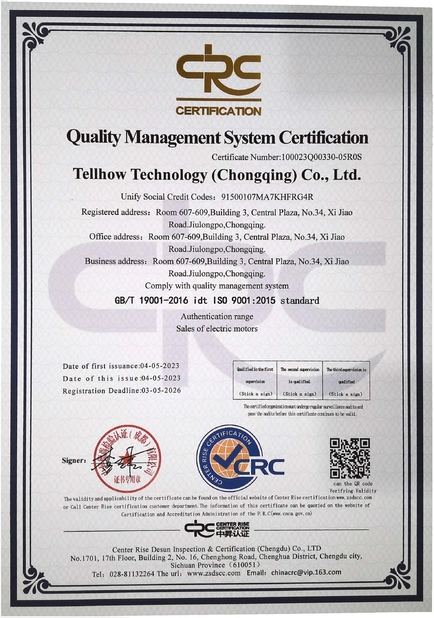
인증
중국 Tellhow Technology (Chongqing) Co., Ltd. 인증
고객 검토
모터는 저소음으로 완전히 운영하고 비디오 원격 설치 안내 서비스가 우수합니다. 우리의 지도자들은 매우 충족합니다.

—— 미샤 글래더쉬첸코

공장은 기술에 대해 매우 혹독하고 심각하고, 우리의 사용 환경에 따라 모터에 대한 세부를 조정하기 위한 매우 과학적 제안을 할 수 있습니다. 이것은 매우 믿을 만한 회사입니다.

—— 최근 미사용 리즈키 아말리아

회사 블로그
Key Differences in High Medium and Low Voltage Power Systems
에 대한 최신 회사 뉴스 Key Differences in High Medium and Low Voltage Power Systems

Power systems serve as the lifeline of modern cities, where stability and reliability are paramount. Voltage levels, comparable to blood pressure in human veins, critically influence both the efficiency and safety of electricity transmission. This analysis examines the differences between high, medium, and low voltage power systems through the lens of data science, focusing on equipment selection, safety requirements, and maintenance strategies.

1. Voltage Classification: Standards, Applications, and Data Distribution

Voltage classification forms the foundation of power engineering and serves as the starting point for data analysis. In most systems, voltage levels are categorized into three primary classes:

High Voltage (HV): 110kV and Above

High voltage transmission enables long-distance, high-capacity electricity transfer while minimizing line losses. From a data perspective, HV grid operations represent critical national infrastructure metrics, including line length, substation capacity, and transmission loss rates. Analysis of decade-long HV transmission data reveals progressive efficiency improvements through technological advancements, though regional variations persist due to geographical and climatic factors.

Medium Voltage (MV): 3kV to 66kV

MV distribution networks power urban and industrial areas, with equipment rated between 3.6kV and 72.5kV. Data analysis of metropolitan MV networks demonstrates distinct load patterns - industrial zones peak during daylight hours while residential areas peak evenings. Such insights enable optimized network operations through load balancing strategies.

Low Voltage (LV): Below 1kV AC/1500V DC

LV systems directly serve end-users, with consumption data revealing behavioral patterns. Analysis of residential LV networks shows significant variation in appliance usage, enabling targeted energy efficiency recommendations. Specialized applications like high-speed rail systems operate at unique voltages (27.5kV/55kV), where operational data informs energy optimization strategies based on train dynamics and route topography.

2. Functional Consistency: Protection and Control Across Voltage Levels

All voltage classes share fundamental protection requirements:

  • Short-circuit protection: Measured through fault current magnitude, breaker response time, and clearance rates. Historical fault data identifies common failure causes including equipment degradation and environmental factors.
  • Isolation and grounding: Safety metrics track procedure compliance and equipment performance during maintenance operations.
  • Overvoltage protection: Surge arrestor performance data guides placement and specification decisions, particularly in lightning-prone regions.
  • Measurement systems: Current and voltage monitoring provides operational status indicators, with direct measurement feasible in LV systems versus transformer-based solutions for higher voltages.

3. Equipment Variations: High vs. Low Voltage Systems

High Voltage Circuit Breakers

HV breakers require substantial clearance distances (1.5m for 110kV systems) and enhanced insulation. Gas-insulated switchgear (GIS) utilizing SF6 enables compact designs. Predictive maintenance models incorporate operational duration, load cycles, environmental conditions, and insulation integrity to forecast failure probabilities.

Low Voltage Circuit Breakers

Air-break LV devices handle currents up to 8000A with minimal insulation requirements. Lifecycle models evaluate operational cycles, fault current exposure, and contact wear to optimize replacement schedules. Microprocessor-based trip units demonstrate superior precision compared to thermal mechanisms.

4. Technological Evolution: Smart Systems and Compact Designs

The power industry is transitioning toward intelligent, space-efficient solutions:

  • Smart grid integration: Equipment with embedded monitoring and diagnostic capabilities generates operational data for machine learning applications, enabling predictive load management.
  • Compact designs: Advanced insulation materials and GIS configurations address urban space constraints while maintaining reliability standards.

5. Operational Considerations: Safety and Efficiency

Effective power system management requires:

  • Strict adherence to safety protocols informed by incident data analysis
  • Predictive maintenance strategies based on equipment condition monitoring
  • Comprehensive emergency response plans validated through historical failure scenarios

Conclusion

Understanding voltage-level variations through data analytics enables optimized power system design and operation. As artificial intelligence and big data technologies advance, their integration with power infrastructure promises enhanced reliability, safety, and efficiency. The emerging energy internet will further expand data availability, enabling comprehensive energy management solutions for sustainable development.

선술집 시간 : 2026-05-25 00:00:00 >> 블로그 목록
연락처 세부 사항
Tellhow Technology (Chongqing) Co., Ltd.

담당자: Mr. Alex Yip

전화 번호: +86 2386551944

회사에 직접 문의 보내기
Tellhow Technology (Chongqing) Co., Ltd.
3, 센트럴 플라자, No.34, 시 지아오 길을 건설하는 607-609. 충칭. 중국
전화 번호:86-155-23661144
모바일 사이트 개인 정보 정책 | 중국 좋은 품질 고전압 교류 전동기 협력 업체. © 2022 - 2026 Tellhow Technology (Chongqing) Co., Ltd.. All Rights Reserved.