logo
전화 번호:
Tellhow Technology (Chongqing) Co., Ltd.
저희 모터로 에너지를 절약하고 성공을 이루세요!
블로그

Guide to Selecting Squirrel Cage Motors for Industrial Use

제가 지금 온라인 채팅 해요
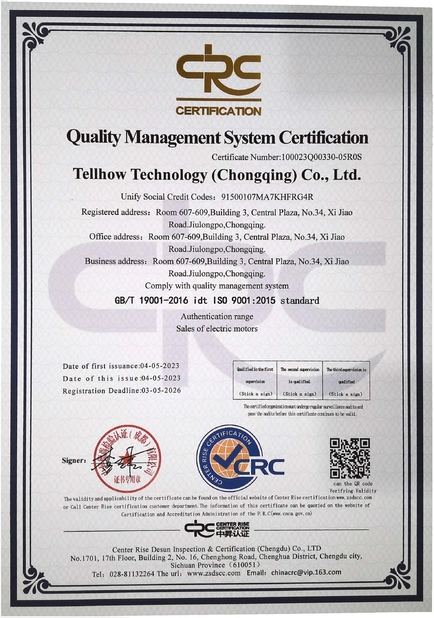
인증
중국 Tellhow Technology (Chongqing) Co., Ltd. 인증
고객 검토
모터는 저소음으로 완전히 운영하고 비디오 원격 설치 안내 서비스가 우수합니다. 우리의 지도자들은 매우 충족합니다.

—— 미샤 글래더쉬첸코

공장은 기술에 대해 매우 혹독하고 심각하고, 우리의 사용 환경에 따라 모터에 대한 세부를 조정하기 위한 매우 과학적 제안을 할 수 있습니다. 이것은 매우 믿을 만한 회사입니다.

—— 최근 미사용 리즈키 아말리아

회사 블로그
Guide to Selecting Squirrel Cage Motors for Industrial Use
에 대한 최신 회사 뉴스 Guide to Selecting Squirrel Cage Motors for Industrial Use

Electrical engineers and industrial equipment specialists frequently face a common challenge: with numerous squirrel cage induction motor models available, each with different parameters and specifications, how does one select the optimal unit for specific operational requirements? This article provides a detailed analysis of the six standardized motor classes (A, B, C, D, E, and F) to facilitate informed decision-making.

Consider a scenario where motors must be selected for a new factory floor. Different machinery and operating conditions demand varying levels of starting torque, starting current, and slip characteristics. Improper selection can lead to reduced efficiency, equipment damage, or even safety hazards. Understanding these motor classifications is therefore essential for optimal performance.

Squirrel cage induction motors are widely used in industrial applications due to their simple construction, reliable operation, and low maintenance requirements. Manufacturers have standardized these motors into distinct classes based on electrical characteristics, each designated by letters A through F with unique performance profiles.

Class A Motors: The Balanced Performer

Class A motors, characterized by normal starting torque, normal starting current, and normal slip, serve as the baseline reference in squirrel cage motor categories. These units offer balanced performance without extreme strengths or weaknesses.

  • Structural Features: Utilize rotors with relatively low resistance and reactance, with rotor bars positioned near the surface to reduce reactance.
  • Electrical Characteristics:
    • Starting current: Typically exceeds 6 times full-load current at locked-rotor condition
    • Starting torque: Approximately twice rated torque for small, low-pole motors; slightly above rated torque for large, high-pole units
    • Slip: Less than 5% at full load
  • Applications: Ideal for equipment with moderate starting torque requirements and low inertia loads, including fans, compressors, pumps, and conveyor systems.

Class B Motors: The Energy-Efficient Option

Class B motors provide normal starting torque with reduced starting current and normal slip characteristics, making them particularly suitable for energy-conscious applications.

  • Structural Features: Incorporate narrow rotor bars placed deeper within the rotor core to increase reactance and limit starting current.
  • Electrical Characteristics:
    • Starting current: Approximately 5 times full-load current
    • Starting torque: Adequate for full-load starting conditions
    • Slip: Comparable to Class A motors
  • Applications: Recommended for high-inertia loads requiring extended operation, such as large blowers, machine tools, generators, and centrifugal pumps.

Class C Motors: High-Torque Specialists

Class C motors deliver high starting torque with low starting current, making them particularly effective for demanding starting conditions.

  • Structural Features: Employ double-cage rotor designs that provide increased rotor resistance during startup.
  • Electrical Characteristics:
    • Starting current: Similar to Class B motors
    • Starting torque: Approximately 3 times rated torque
    • Slip: Normal range comparable to Class B
  • Applications: Essential for high-torque startup requirements in crushers, compression pumps, large refrigeration systems, textile machinery, and woodworking equipment.

Class D Motors: Heavy-Duty Performers

Class D motors combine high starting torque with low starting current but operate with increased slip, resulting in lower operational efficiency.

  • Structural Features: Utilize high-resistance rotor materials such as brass or bronze.
  • Electrical Characteristics:
    • Starting current: Similar to Class B/C motors
    • Starting torque: Exceptionally high for severe starting conditions
    • Slip: Typically 5-20% depending on application
  • Applications: Critical for extreme torque requirements in bulldozers, shearing machines, foundry equipment, punch presses, metal drawing machinery, and industrial washing systems.

Class E Motors: Efficiency-Optimized Units

Class E motors prioritize operational efficiency with low slip characteristics, though they provide reduced starting torque.

  • Structural Features: Designed to minimize rotor losses through specialized construction.
  • Electrical Characteristics:
    • Starting torque: Limited capacity
    • Starting current: May require compensators or resistance starters for units above 5kW
    • Slip: Minimized for enhanced efficiency
  • Applications: Suitable for applications where starting torque requirements are modest but operational efficiency is paramount.

Class F Motors: Low-Current Starters

Class F motors feature reduced starting current and torque, enabling direct full-voltage starting.

  • Structural Features: Incorporate rotor designs that increase reactance during startup.
  • Electrical Characteristics:
    • Starting torque: Limited capacity
    • Starting current: Reduced for direct full-voltage starting
    • Slip: Comparable to Class B/C motors
  • Applications: Appropriate for situations where high starting torque isn't required but current limitation is necessary.

Selection Considerations

Each motor class serves distinct operational requirements, much like different vehicle types suit various transportation needs. Proper selection requires careful evaluation of starting conditions, operational parameters, and efficiency requirements. Additional factors including rated power, voltage, frequency, and protection class must also be considered for optimal system performance.

선술집 시간 : 2026-04-19 00:00:00 >> 블로그 목록
연락처 세부 사항
Tellhow Technology (Chongqing) Co., Ltd.

담당자: Mr. Alex Yip

전화 번호: +86 2386551944

회사에 직접 문의 보내기
Tellhow Technology (Chongqing) Co., Ltd.
3, 센트럴 플라자, No.34, 시 지아오 길을 건설하는 607-609. 충칭. 중국
전화 번호:86-155-23661144
모바일 사이트 개인 정보 정책 | 중국 좋은 품질 고전압 교류 전동기 협력 업체. © 2022 - 2026 Tellhow Technology (Chongqing) Co., Ltd.. All Rights Reserved.